

Blog
What Does a Home Health Aide Do? Essential Information
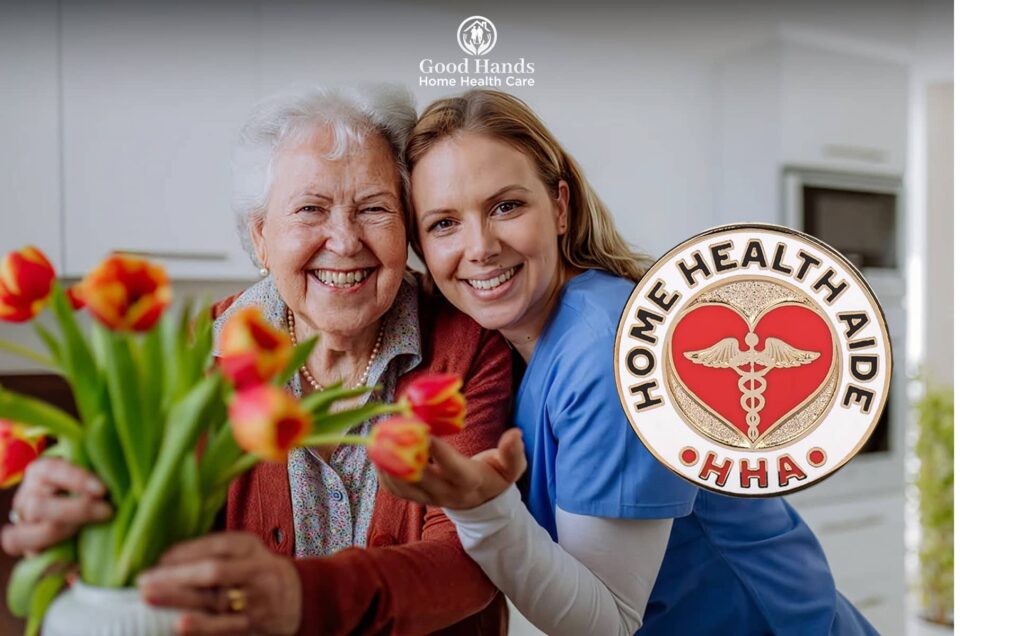
A Home Health Aide (HHA) is a crucial healthcare professional who provides in-home support to individuals who are elderly, disabled, or recovering from illness or surgery. HHAs assist with daily living activities such as bathing, dressing, grooming, and meal preparation, helping patients maintain their independence and quality of life in the comfort of their own homes. Beyond personal care, they monitor vital signs, administer medications under supervision, and offer emotional support to combat feelings of isolation or depression. As the demand for home-based healthcare increases, the role of HHAs continues to grow, making it an essential part of the healthcare system in ensuring individuals can receive compassionate and personalized care.
What is a Home Health Aide? Understanding the Role
A Home Health Aide (HHA) is a trained professional who provides essential personal care and support to individuals in their own homes. These individuals may be elderly, disabled, or recovering from illness or surgery. HHAs help patients with daily living activities, including bathing, dressing, grooming, meal preparation, and assistance with mobility. They are a vital part of the healthcare system, helping individuals remain in the comfort of their homes while ensuring that their healthcare needs are met. HHAs may also monitor health conditions, assist with medication management, and offer emotional support, all of which contribute to the patient’s well-being and quality of life.
Who do they help?
Home Health Aides (HHAs) provide essential services to individuals who require assistance with daily activities due to aging, illness, or disabilities. These individuals may live in private homes, nursing homes, or other healthcare facilities. HHAs primarily work with seniors, people recovering from surgeries, and those with chronic conditions. The goal is to help these individuals maintain their independence and improve their quality of life by offering assistance with various daily tasks.
Some common tasks that Home Health Aides assist with include helping with bathing, dressing, mobility, and meal preparation. They also monitor their patients’ health, offering medication reminders and reporting changes in condition to healthcare professionals. By providing this crucial support, HHAs help patients remain in their homes for longer, reducing the need for more expensive care settings like hospitals or nursing homes.
Why is this role important?
The role of a Home Health Aide is essential because it enables individuals who are aging or dealing with health issues to stay in a familiar and comfortable environment. Many people prefer in-home care over moving to a nursing home or hospital, and HHAs make this possible by offering assistance with personal care and household tasks. By helping with these activities, HHAs give patients the freedom to remain in their homes and avoid the feelings of isolation that can often accompany institutionalized care.
Furthermore, HHAs play a vital role in enhancing the emotional well-being of their patients. As they provide companionship, they reduce loneliness, which can be particularly debilitating for elderly individuals. This social connection is often just as valuable as physical care, promoting mental health and helping patients feel valued and cared for.
Key Responsibilities and Duties
Assistance with daily living
One of the main responsibilities of a Home Health Aide is helping patients with activities of daily living (ADLs). These tasks include everything from personal hygiene to meal preparation and mobility assistance. ADLs are essential to ensuring that individuals with limited independence can still perform basic self-care tasks. Home Health Aides help by bathing, dressing, feeding, and grooming their patients.
In addition to personal care, HHAs may also help with light housekeeping tasks like laundry, cleaning, and preparing meals. These responsibilities ensure that patients’ living environments remain safe, comfortable, and clean. By providing this support, HHAs ensure that their patients can live with dignity and as independently as possible within their limitations.
- Bathing and personal hygiene
- Meal planning and preparation
- Cleaning and light housekeeping
- Help with dressing and grooming
Monitoring health and vital signs
A key aspect of a Home Health Aide’s role is monitoring the health of their patients. This includes tracking vital signs such as blood pressure, heart rate, temperature, and respiration. By keeping a close watch on these indicators, HHAs can help detect early signs of health issues, preventing complications and unnecessary hospitalizations.
In addition to checking vital signs, Home Health Aides may also be tasked with administering medication, as long as they follow their training and are supervised by healthcare professionals. They help ensure that patients are following their prescribed medication regimens and that they take medications at the right times. The goal is to maintain or improve the health of patients and report any health concerns to the healthcare team for further evaluation.
- Monitor blood pressure, temperature, and heart rate
- Assist with medication reminders and administration
- Report changes in health status to the care team
Emotional support and companionship
Emotional support is often an overlooked but crucial aspect of a Home Health Aide’s role. Many patients who require in-home care experience feelings of loneliness, depression, or anxiety. By offering companionship and providing a listening ear, HHAs help alleviate these emotional burdens. Simple conversation, shared activities, and even playing games can help lift the spirits of patients, especially those who live alone.
As emotional support providers, HHAs build strong, trusting relationships with their patients. These relationships are vital in helping patients feel valued and respected, which improves their overall emotional health. HHAs may also act as intermediaries between the patient and their family, communicating needs and changes to ensure that care is tailored to the patient’s evolving situation.
Required Skills for a Home Health Aide
Compassion and empathy
Compassion and empathy are the core attributes of any effective Home Health Aide. These qualities are crucial because HHAs often work with individuals who are vulnerable, whether due to age, illness, or disability. By showing compassion, HHAs help patients feel understood and cared for, which builds trust and fosters a positive caregiving relationship.
The ability to empathize allows HHAs to relate to the emotional and physical struggles that their patients face. They can offer comfort, reassurance, and support during challenging times, which helps to improve the patient’s emotional and mental well-being. Compassionate care goes beyond just performing tasks; it is about showing genuine concern for the patient’s overall health and happiness.
Communication and interpersonal skills
Effective communication is another key skill for Home Health Aides. HHAs need to communicate clearly with patients, family members, and other healthcare providers. Since patients may have varying degrees of cognitive ability or communication challenges, HHAs must be patient and understanding when conversing. Active listening is essential to ensure that the needs of patients are accurately understood and addressed.
In addition to verbal communication, HHAs must also be able to interpret non-verbal cues such as body language, tone of voice, and facial expressions. This skill helps them understand the emotional and physical state of the patient, especially when the patient is unable to articulate their feelings or discomfort. Strong interpersonal skills are critical for building rapport and trust with patients and their families.
Physical stamina and flexibility
Working as a Home Health Aide requires physical stamina. HHAs often assist with tasks like transferring patients from one place to another, which requires strength and endurance. Lifting and supporting patients may be necessary, especially if the patient is immobile or needs help getting out of bed or into a wheelchair. In these cases, proper training in body mechanics is essential to prevent injury to both the caregiver and the patient.
Flexibility is also vital for HHAs, as the needs of each patient can vary widely. Some patients may require more physical assistance, while others may need more emotional support. An HHA must be adaptable to these different needs and adjust their care plan as necessary. Flexibility in working hours is also important, as some patients may require overnight care or assistance during weekends and holidays.
Educational and Training Requirements
Necessary education and certifications
To become a Home Health Aide, a high school diploma or equivalent is typically required. However, additional training is necessary to ensure that HHAs are qualified to provide safe and effective care. Many states require that HHAs complete a state-approved training program before beginning their work. These programs typically include both classroom instruction and hands-on training to ensure that caregivers understand their responsibilities and can perform them competently.
Upon completion of training, Home Health Aides must pass a competency exam in many states to become certified. Certification verifies that the HHA has the required skills to provide care in a safe and professional manner. Some employers may also require additional certifications, such as first aid or CPR, to ensure that HHAs are equipped to handle emergencies.
Training programs
Training programs for Home Health Aides can be found at community colleges, vocational schools, and healthcare organizations. Many programs are designed to be flexible, offering online courses or evening classes to accommodate the schedules of students. The programs typically last between 75 and 120 hours, depending on state requirements. Students learn the basics of patient care, hygiene, infection control, nutrition, and patient rights, among other topics.
| Program Name | Duration | Location |
| Basic Home Health Aide Program | 75 hours | Community Colleges |
| Advanced HHA Certification | 120 hours | Online/Local Agencies |
How to Become a Home Health Aide
Gain experience
One of the first steps in becoming a Home Health Aide is gaining experience in the healthcare field. This can be done through volunteer work or entry-level positions in hospitals, nursing homes, or home health agencies. Even informal caregiving experience—such as taking care of family members—can help aspiring HHAs build the skills needed for the job.
Gaining experience allows potential HHAs to understand the demands of caregiving and gain insight into the needs of patients. It is also a way to learn about the types of patients and health conditions they may encounter in a professional setting.
Complete training
After gaining some experience, individuals interested in becoming a Home Health Aide must complete a formal training program. These programs typically provide instruction on a variety of caregiving topics, such as how to provide personal care, recognize signs of illness, and communicate effectively with patients.
Once the training program is completed, most states require candidates to pass a competency exam to ensure that they are adequately prepared for the responsibilities of an HHA.
Search for jobs
After completing the necessary training and obtaining certification, aspiring HHAs can begin searching for employment. Job opportunities can be found at home health agencies, hospitals, and nursing homes. Websites like Indeed and Glassdoor also list job openings for Home Health Aides.
When applying for jobs, it’s essential to prepare a well-organized resume and cover letter that highlights your qualifications, training, and any relevant experience. Many agencies also require background checks and drug tests as part of the hiring process.
Salary and Career Outlook
Average salary
The median salary for Home Health Aides in the U.S. is approximately $27,080 per year, according to the U.S. Bureau of Labor Statistics. However, salaries can vary based on factors such as location, experience, and the employer. In areas with higher costs of living, HHAs may earn more to compensate for the increased living expenses.
Additionally, Home Health Aides who have specialized skills or work in more demanding roles (such as hospice care) may earn higher wages. Some HHAs also receive benefits such as paid time off, health insurance, and retirement contributions.
Job outlook and growth
The demand for Home Health Aides is expected to grow significantly over the next decade. The aging population, along with the growing preference for in-home care, will drive the need for caregivers. According to the Bureau of Labor Statistics, the employment of HHAs is projected to grow by 25% from 2021 to 2031, much faster than the average for all occupations.
As the healthcare industry continues to focus on home-based care, HHAs will be in high demand. This provides excellent job security for individuals interested in pursuing a career in this field.
Related Careers and Advancement
Nursing Assistant
Nursing Assistants (also known as CNAs) perform many of the same duties as Home Health Aides but typically work in hospitals or nursing homes. CNAs assist patients with daily activities, take vital signs, and provide basic medical care under the supervision of a nurse.
Many HHAs choose to become CNAs after gaining experience, as CNAs have more responsibilities and opportunities for career advancement. Additionally, CNAs can eventually pursue roles such as Licensed Practical Nurse (LPN) or Registered Nurse (RN) with further education and certification.
Medical Social Worker
Medical Social Workers help patients and families cope with the emotional, social, and financial challenges associated with illness or injury. They work closely with Home Health Aides to ensure patients receive holistic care that addresses both their medical and emotional needs.
A career as a Medical Social Worker typically requires a degree in social work and relevant licensing. For HHAs interested in advancing their careers, becoming a social worker is an option that allows them to broaden their impact on patients’ lives.