



Dedicated to Comfort, Dignity, and Peace of Mind — Where Your Loved Ones Feel at Home
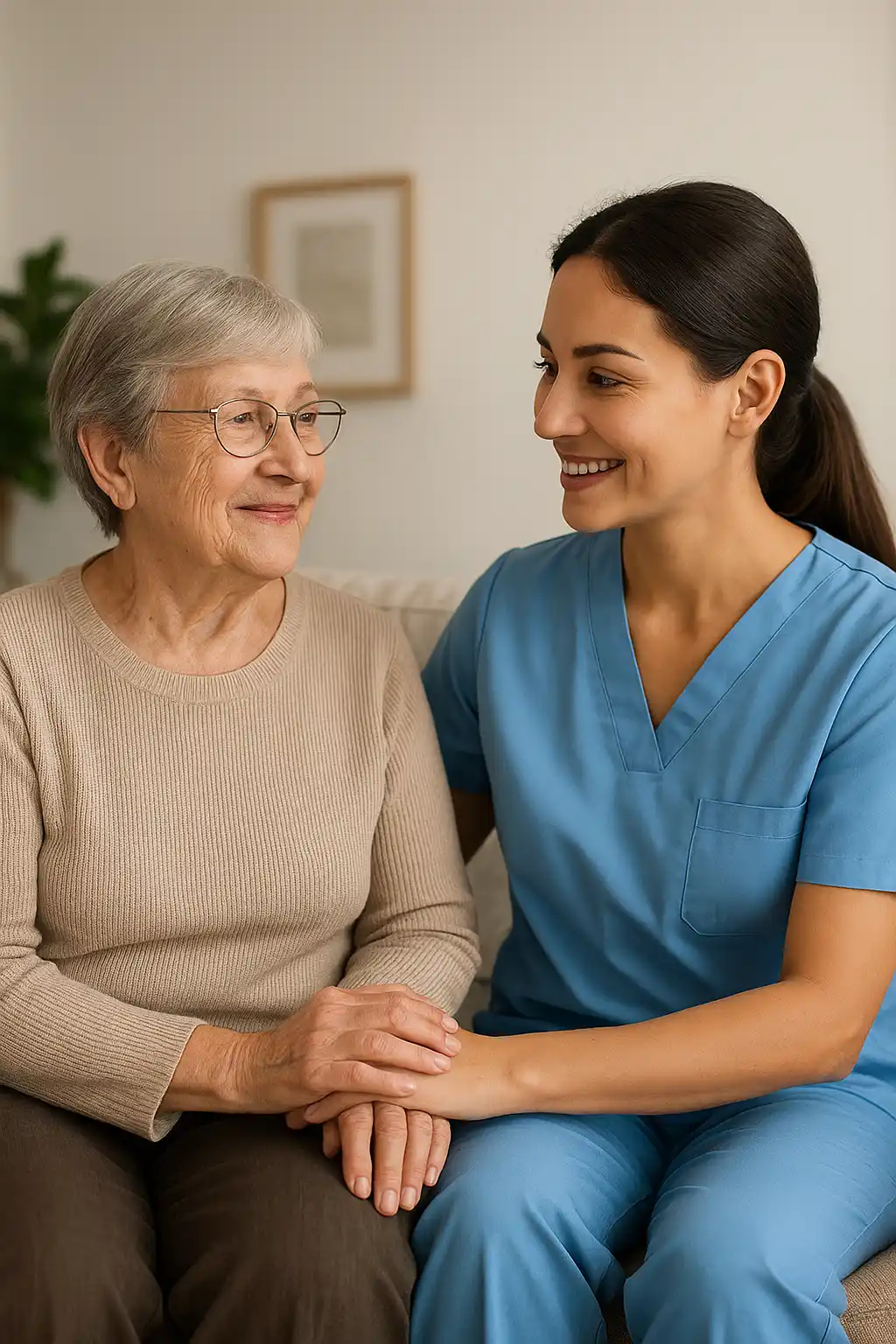
Dignity isn’t a feature — it’s a promise. Our caregivers are selected for empathy, trained for excellence, and guided by a genuine desire to make every day easier for those they serve. We work closely with families and medical professionals to design care that adapts to changing needs, ensuring comfort, safety, and trust remain at the heart of our professional home care philosophy.
- Personalized care plans: Each plan is crafted to reflect the client’s health, daily habits, and preferences, evolving as their needs change.
- Open communication: Families receive regular updates, and our team stays in touch with doctors and specialists for seamless coordination.
- Consistent caregivers: Familiar faces help clients feel secure and supported through every stage of care.
- Safety and wellness checks: Routine home assessments reduce risks and ensure the living environment stays comfortable and hazard-free.
- Emotional support: We offer companionship, conversation, and encouragement that nurture confidence and reduce feelings of isolation.
- Flexible scheduling: Services can expand or scale back easily, giving families freedom and peace of mind as situations evolve.
Explore Our Range of Home Care Solutions
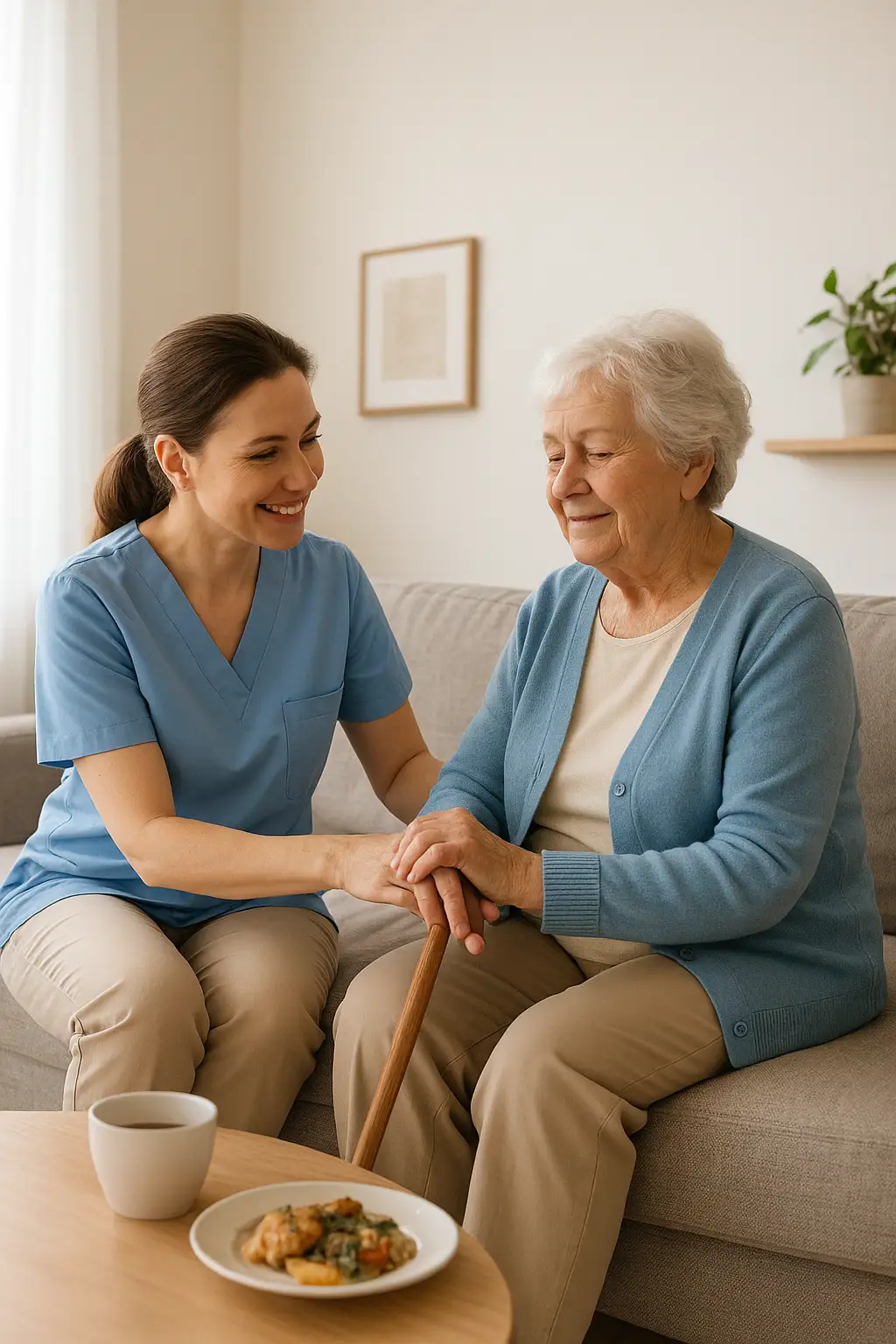
Care needs are personal, so our services are flexible by design. We offer hourly, daily, and around-the-clock options to match changing schedules and health priorities, coordinating closely with physicians and family decision-makers. Our approach to home health care blends attentive companionship with practical support—bathing and grooming assistance, meal preparation, safe mobility, routine monitoring, and coordination for appointments.
When short-term help is needed after a hospital stay or during rehabilitation, our responsive help at home care ensures a safe transition and reduces avoidable setbacks. No matter the level of support required, our goal is to preserve independence, maintain comfort, and bring reliable, friendly faces into the home—people who know the routine, respect boundaries, and show up on time.
What Makes Families Trust Our Care
- Strong community partnerships: We work closely with local healthcare systems and senior resource networks to provide fast, coordinated service.
- Comprehensive planning: Our team evaluates medical, emotional, and lifestyle needs to create a balanced plan for comfort and independence.
- Transparent pricing: Families always know what to expect — no hidden costs or confusing packages.
- Responsive scheduling: We adapt quickly to changes, from emergency coverage to expanding ongoing care.
- Trusted caregivers: Each client is matched with consistent, compassionate professionals who treat them like family.
- High-acuity care readiness: With deep experience in home health care, we manage complex cases safely and respectfully, ensuring comfort and peace of mind at every stage.
- Thoughtful onboarding: For anyone exploring home health care, we begin with a clear conversation, listening first and planning care at the right pace for your family.

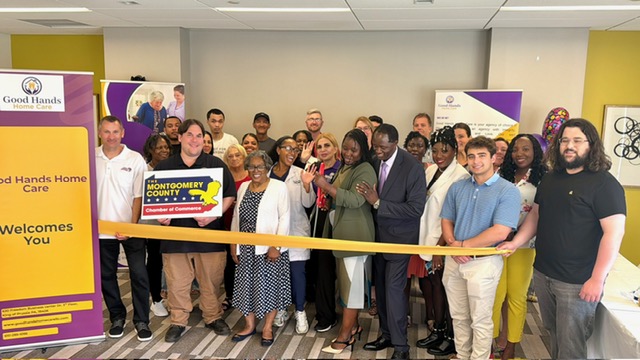
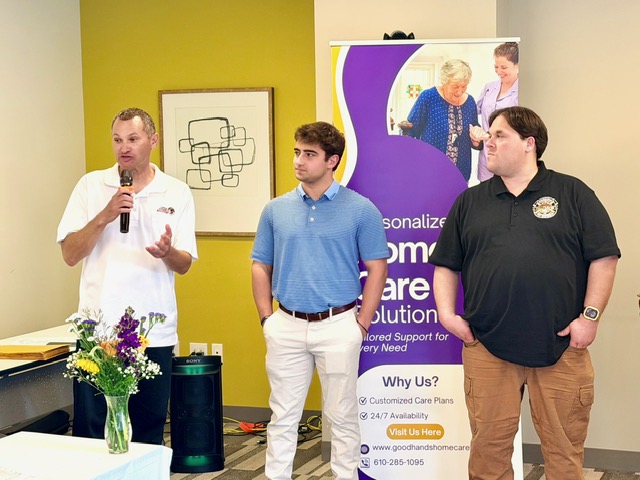
Meet Our Team
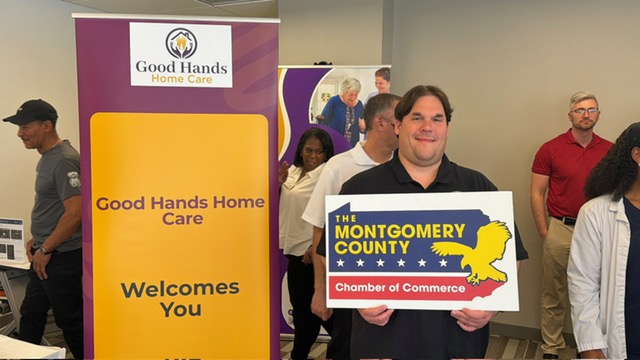
Get to know the dedicated people behind Good Hands Home Care. Our caregivers and staff bring compassion, professionalism, and genuine respect to everyone we serve.





Frequently Asked Questions (FAQ)
What is the difference between senior home care and a nursing home?
Senior home care provides one-on-one support in the older adult’s home, while a nursing home places the person in a facility with continuous skilled medical supervision. Home care suits seniors who need help with daily tasks but want to remain at home.
What is included in personal care for seniors?
Personal care for seniors includes assistance with bathing, dressing, grooming, toileting, and mobility, as well as related daily support. The specific tasks are set in the care plan based on what the senior can do independently.
How many hours of senior home care can we arrange?
Schedules are flexible, from a few hours a week to daily and full-time support. The amount of care is set in the care plan and adjusted as the senior’s needs change.
Can we request the same caregiver for every visit?
Yes. Consistency is part of how care is arranged, and a senior is matched with a caregiver who fits their needs and routine so a steady relationship can develop.
How quickly can senior home care start?
After your first contact, the team discusses the senior’s needs, builds a care plan, and assigns a caregiver. Timing depends on the type and amount of care needed.
Schedule Your Free Care Consultation
Fill out the form below, and one of our coordinators will reach out to you shortly.
Senior home care is in-home support that helps older adults live safely and independently at home as they age. Good Hands Home Care provides senior home care across King of Prussia and surrounding Pennsylvania communities, helping seniors with personal care, companionship, and daily household support. Our caregivers make it possible for an aging parent to stay in a familiar home rather than move to a facility.
What Is Senior Home Care?
Senior home care is professional in-home care designed for older adults who need help with daily life but want to remain at home. It is also called senior home health care or home care for seniors, and it covers personal hygiene, companionship, household tasks, and supervision.
The level of care is matched to the senior’s needs. Support ranges from a few hours of help each week with errands and housekeeping, through daily personal care, up to a higher level of care provided by qualified aides for chronic conditions.
Senior home care is the right choice when an older adult needs day-to-day assistance and supervision rather than the round-the-clock medical environment of a facility.
Senior Home Care Services in King of Prussia
Good Hands Home Care provides a full range of in-home services for seniors, arranged around an individual care plan and adjusted as needs change.
- Personal Care for Seniors — help with bathing, dressing, grooming, toileting, and mobility.
- Companionship — regular social contact and emotional support that reduces isolation.
- Light Housekeeping — keeping the kitchen and living spaces clean, sanitary, and orderly.
- Attendant Care — hands-on help with the daily activities a senior needs to get through the day.
- Home Care — ongoing support that can include medication reminders, errands, and household help.
- Qualified Aides — a higher level of care for seniors with chronic illnesses, injuries, or disabilities, provided by aides with specific certifications and training.
Personal Care for Seniors
Personal care for seniors is hands-on assistance with activities of daily living (ADLs) — the basic self-care tasks that become harder with age. It is the most requested form of senior home care.
Personal care for the elderly includes bathing, dressing, grooming, toileting, and help with walking and transfers. Each task is carried out with attention to the senior’s dignity and privacy.
Senior personal care services are built into the care plan based on what the individual can still do independently and where they need support, so the help matches the person rather than a fixed checklist.
Signs an Aging Parent May Need Senior Home Care
Several changes in an older adult signal that home care would help. These signs are often gradual and easy for family members who do not see the person daily to miss.
- Difficulty with bathing, dressing, or other daily self-care
- Unsteady walking, recent falls, or trouble moving safely around the home
- Missed medications or confusion about doses
- A home that is becoming cluttered, unclean, or unsafe
- Skipped meals, weight loss, or an empty refrigerator
- Withdrawal from hobbies, friends, or family contact
- Increasing reliance on a family caregiver who is becoming stretched thin
One or two of these signs may call for a few hours of support each week, while several together usually point to a daily care plan.
Senior Home Care vs. Assisted Living and Nursing Homes
Senior home care keeps the older adult in their own home with one-on-one support, while assisted living and nursing homes move the person into a group facility. The right option depends on the level of care needed and the senior’s preference.
Home care suits seniors who are largely independent but need help with specific daily tasks and want to age in place. A nursing home suits those who need continuous skilled medical supervision that cannot be delivered at home.
For many families, senior home care is the step that delays or avoids a move to a facility, providing the daily help an aging parent needs while preserving their independence and routine.
Who Provides Senior Home Care
Care is delivered by trained caregivers selected for both their skills and their character. Good Hands Home Care has a reputation for hiring only the highest-caliber caregivers — people who demonstrate compassion, professionalism, and dedication.
Every caregiver undergoes a rigorous screening process, including a criminal background check and a psychological evaluation, before working with any client. This screening is a core difference between hiring through an agency and hiring a caregiver privately.
Seniors with chronic illnesses, injuries, or disabilities are supported by qualified aides who hold the certifications and training required for those situations.
How to Choose a Senior Home Care Provider in King of Prussia
Choosing a senior home care provider is based on verifiable criteria, not marketing claims. The following checks confirm that a provider is qualified, accountable, and able to deliver consistent care.
- Confirm that all caregivers are screened and background-checked before they enter a client’s home.
- Confirm that the provider develops an individual care plan and matches the caregiver to the senior’s needs.
- Confirm that the provider supervises care and adjusts the plan as the senior’s situation changes.
- Confirm that the provider offers flexible scheduling and backup coverage when a caregiver is unavailable.
A care plan is the step where a qualified provider determines the level of care a senior needs and assigns a compatible caregiver. A provider that places a caregiver without a plan cannot reliably match care to need.
Warning signs to avoid include no background checks on caregivers, no written care plan or supervision, and no clear policy for replacing a caregiver who is not a good fit.
Get Started with Senior Home Care in King of Prussia
Good Hands Home Care provides senior home care across King of Prussia and surrounding Pennsylvania communities. Care begins with a free consultation to determine the right level of support and match a compatible caregiver.
Areas We Serve
Good Hands Home Care LLC provides senior home care across King of Prussia and 13 surrounding counties in Pennsylvania. Care is delivered in the senior’s own home, on the schedule set out in the individual care plan.
Philadelphia County
- Chestnut Hill, PA
- Germantown, PA
- Manayunk, PA
Montgomery County
- Ambler, PA
- Ardmore, PA
- Blue Bell, PA
- Bridgeport, PA
- Collegeville, PA
- Conshohocken, PA
- Eagleville, PA
- East Norriton, PA
- Flourtown, PA
- Fort Washington, PA
- Gladwyne, PA
- Glenside, PA
- Horsham, PA
- Jenkintown, PA
- King of Prussia, PA
- Lafayette Hill, PA
- Narberth, PA
- Norristown, PA
- Oreland, PA
- Plymouth Meeting, PA
- Royersford, PA
- West Norriton, PA
- Willow Grove, PA
- Wynnewood, PA
Delaware County
- Aldan, PA
- Broomall, PA
- Bryn Mawr, PA
- Clifton Heights, PA
- Drexel Hill, PA
- Folcroft, PA
- Haverford, PA
- Havertown, PA
- Lansdowne, PA
- Media, PA
- Newtown Square, PA
- Radnor, PA
- Ridley Park, PA
- St Davids, PA
- Swarthmore, PA
- Villanova, PA
- Wayne, PA
- Yeadon, PA
Chester County
- Berwyn, PA
- Chesterbrook, PA
- Colonial Way, PA
- Devault, PA
- Devon, PA
- Easttown Township, PA
- Exton, PA
- Malvern, PA
- Paoli, PA
- Phoenixville, PA
- Spring City, PA
- Tredyffrin Township, PA
- West Chester, PA
- Westtown Township, PA
- Whitehorse Farms, PA
Bucks County
- Chalfont, PA
- Warminster, PA
Berks County
- Reading, PA
- West Reading, PA
- Wyomissing, PA
Lancaster County
- Ephrata, PA
- Lancaster, PA
- Lititz, PA
Lebanon County
- Annville, PA
- Lebanon, PA
- Palmyra, PA
Additional Counties We Serve
- Adams County, PA
- Carbon County, PA
- Lehigh County, PA
- Northampton County, PA
- Schuylkill County, PA
- York County, PA