



What Is Companionship Care?
Companionship Services are designed to provide emotional support, social interaction, and friendly assistance to individuals who may feel isolated or lonely at home.
Our caregivers are not just helpers — they are compassionate companions who bring warmth, laughter, and a listening ear into everyday life.
Our companionship caregivers can help with:
- Meaningful conversation and emotional support
- Playing games, reading, or engaging in hobbies together
- Light household assistance and meal preparation
- Accompanying clients to walks, appointments, or community events
- Providing reminders and gentle encouragement for daily routines
Our goal: to help clients feel valued, connected, and happy in the comfort of their own homes.


Why Companionship Care Matters
Loneliness and social isolation can have a serious impact on physical and mental health, especially for seniors.
Studies show that chronic loneliness increases the risk of depression, cognitive decline, and heart disease.
At Good Hands Home Care, we believe that emotional well-being is just as important as physical care.
Our Companionship Services help reduce feelings of isolation and give your loved one a renewed sense of purpose and belonging.
“Sometimes, the best medicine is a good conversation and a warm smile.”
Why Families Choose Us
- Experienced & Compassionate Caregivers – All companions are carefully screened, trained, and selected for their empathy and professionalism.
- Personalized Care Plans – Every client is unique; we tailor companionship care to their interests, preferences, and needs.
- Flexible Scheduling – From hourly visits to full-time live-in care, we work around your schedule.
- Safety & Trust – Our agency is fully licensed, bonded, and insured for your peace of mind.
- Ongoing Support & Communication – We maintain open communication with families and perform regular quality checks.
With us, your loved one is never alone — they’re part of a caring community.

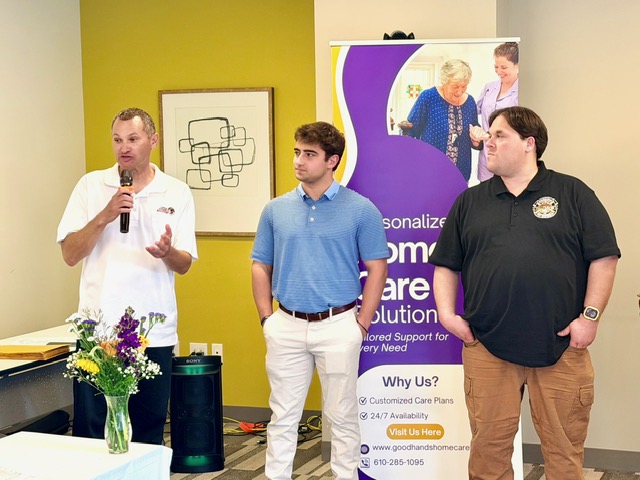
Meet Our Team
Get to know the dedicated people behind Good Hands Home Care. Our caregivers and staff bring compassion, professionalism, and genuine respect to everyone we serve.







Frequently Asked Questions
What’s the difference between companionship care and personal care?
Companionship care focuses on emotional and social support, while personal care includes physical assistance such as bathing, dressing, or mobility help. Many clients choose a blend of both services.
How do you select and train your caregivers?
Each caregiver undergoes a thorough background check, reference verification, and professional training in communication, safety, and elderly care. We only hire individuals who genuinely care about people.
Can I choose the same caregiver for every visit?
Yes. Consistency is important for building trust and friendship. We always strive to provide the same caregiver for each visit.
Is companionship care covered by insurance?
Some long-term care insurance policies may cover companionship services. We’ll help you review your plan and provide documentation if needed.
What if my loved one doesn’t “click” with their caregiver?
We understand that personal chemistry matters. If your loved one isn’t fully comfortable, we’ll gladly rematch them with another companion who’s a better fit.
What is elderly companion care?
Elderly companion care is a non-medical home care service that provides regular social interaction, emotional support, and practical daily assistance for seniors who experience isolation or need structured daily engagement. It does not include personal hygiene tasks or medical treatment.
What activities does a companion caregiver do with an elderly person?
A companion caregiver engages in conversation, plays games, reads aloud, accompanies the client on walks, shares meals, helps with grocery shopping and errands, assists with making phone or video calls to family, and accompanies the client to appointments or community events. Activities are tailored to the client’s interests and preferences.
Can companion care help prevent depression in elderly individuals?
Regular social interaction through companion care is associated with reduced risk of depression and anxiety in seniors. Studies show that chronic loneliness increases the risk of depression, cognitive decline, and heart disease in older adults. Consistent visits from a companion caregiver provide structured engagement and human contact that directly address the underlying cause of socially-driven depression.
How often does a companion caregiver visit?
Scheduling is flexible. Good Hands Home Care provides companion care from hourly visits a few times per week to full-time daily or live-in care, depending on the client’s needs and family preferences. The frequency is determined during the initial consultation and can be adjusted as needs change.
Do I need a doctor’s referral for elderly companion care services?
No. Companion care is a non-medical service and does not require a physician’s referral or prescription to begin. A doctor’s order is required only for skilled home health services such as nursing care, wound treatment, or physical therapy.
Schedule Your Free Care Consultation
Fill out the form below, and one of our coordinators will reach out to you shortly.
Elderly companion care is a non-medical home care service that provides social interaction, emotional support, and friendly assistance to seniors who feel isolated or lonely at home. Unlike personal care, which focuses on physical hygiene tasks, companion care centers on emotional well-being, mental stimulation, and maintaining meaningful daily routines. Good Hands Home Care provides companion care services throughout King of Prussia and surrounding Pennsylvania counties.
Senior Companionship Services
Senior companionship services support older adults whose daily social contact has narrowed — after retirement, after losing a spouse, or as mobility and driving become harder. The service addresses that isolation directly rather than treating it as a side effect of aging.
For many seniors, the practical value shows up in routine. Meals get skipped less often when someone shares them, medications are taken on schedule when someone prompts, and the day keeps a shape when a visit anchors it.
Senior companionship services at Good Hands Home Care are delivered by caregivers matched to the client’s interests and personality, not only to the tasks. The same caregiver is assigned for ongoing visits so a genuine relationship has time to develop.
Companionship can be combined with personal care when a senior needs help with hygiene and mobility as well as company. Both are arranged under a single care plan and one schedule.
What Is Elderly Companion Care?
Elderly companion care is a category of non-medical home care focused on reducing social isolation and supporting the emotional and cognitive well-being of seniors through regular, structured social interaction and practical daily assistance.
A companion caregiver is not a medical professional. During each visit, the caregiver engages the client in conversation, participates in activities the client enjoys, and provides gentle encouragement for daily routines. Household tasks such as light meal preparation or tidying up are secondary to the primary purpose of companionship and social engagement.
Companion Care vs. Personal Care vs. Home Health Care
| Type | Primary Focus | What the Caregiver Does | Requires Doctor’s Order? |
|---|---|---|---|
| Companion Care | Emotional well-being, social interaction, daily routine support | Conversation, activities, light household assistance, reminders | No |
| Personal Care | Physical hygiene and mobility | Bathing, dressing, grooming, toileting, transfers | No |
| Home Health Care | Clinical treatment and medical monitoring | Skilled nursing, wound care, therapy | Yes |
A client may receive both companion care and personal care under a combined plan if their needs include both social support and physical hygiene assistance.
Why Companionship for Elderly People Matters
Companionship for elderly adults addresses isolation and the loss of daily routine, not physical care tasks. Social isolation is a recognized health risk for elderly individuals. Seniors who lack regular social interaction have a higher likelihood of developing depression, anxiety, and accelerated cognitive decline — including early-onset dementia symptoms — compared to those who remain socially engaged.
Elderly individuals commonly lose regular social connections through retirement, the death of a spouse or longtime friends, reduced mobility, or distance from family members. As these connections diminish, daily life can become increasingly unstructured and isolated, with no consistent source of conversation or engagement.
Studies show that chronic loneliness increases the risk of depression, cognitive decline, and heart disease in older adults. Regular mental stimulation — through conversation, games, reading, and shared activities — helps maintain cognitive function and reduces the pace of decline.
Loneliness also affects physical health indirectly. Isolated seniors are more likely to skip meals, reduce physical activity, and neglect daily routines. A companion caregiver provides consistent presence that helps maintain these routines: regular mealtimes, light activity, and structured daily engagement.
The psychological effect of having a reliable, consistent companion extends beyond the visit itself. Knowing that a caregiver will arrive regularly reduces anxiety and provides a predictable anchor in the senior’s day.
Signs That an Elderly Person May Need Companion Care
Several behavioral and social changes in an elderly individual may indicate that companion care would be beneficial. These signs are typically gradual and may be overlooked by family members who do not see the person daily.
Social signs:
- Withdrawing from hobbies or activities the person previously enjoyed
- Declining invitations from friends, neighbors, or family
- Expressing reluctance to leave home or engage with others
- Reduced frequency of phone calls or visits with people they were previously close to
Emotional signs:
- Frequently expressing feelings of loneliness or being a burden
- Appearing flat, disengaged, or sad during conversations
- Increased irritability or anxiety without a clear cause
- Loss of interest in topics or events they previously found engaging
Daily routine signs:
- Skipping meals or losing interest in cooking for themselves
- Allowing household tasks to accumulate in a way that was previously uncommon
- Forgetting daily routines such as taking medications, drinking water, or following a regular sleep schedule
Cognitive signs:
- Repeating the same stories or questions within a short time
- Losing track of the day, date, or recent events
- Difficulty maintaining focus during conversation compared to previous patterns
These signs do not necessarily indicate a medical problem. Many are direct responses to reduced social stimulation and can improve with regular structured companion care.
What Elderly Companion Care Services Include
Elderly companion care services cover two areas: social and emotional support activities that directly address isolation and cognitive stimulation, and practical daily assistance that helps maintain a structured, safe home routine.
Social & Emotional Support
- Conversation and mental stimulation: Engaging the client in meaningful discussion, playing card or board games, reading aloud, or exploring topics of personal interest to provide cognitive engagement
- Shared activities: Participating in hobbies, crafts, or pastimes the client enjoys — the caregiver’s role is active participation, not passive observation
- Accompaniment on walks or light outdoor activity: Providing safe company for short walks or time spent outside the home
- Mealtime companionship: Sharing meals with the client to make eating a social occasion rather than a solitary task
- Staying connected with family: Helping the client make phone or video calls to family members, or assisting with writing letters or messages
Practical Daily Assistance
- Meal preparation: Planning and preparing nutritious meals based on the client’s preferences and dietary needs
- Light housekeeping: Assisting with basic tidying, cleaning common areas, and maintaining an organized, safe living environment
- Grocery shopping and errands: Accompanying or assisting with shopping and daily errands
- Medication reminders: Prompting the client to take their prescribed medications at the correct time
- Gentle encouragement for daily routines: Providing supportive reminders for regular activities such as eating, hydration, and rest
Companion caregivers do not perform personal hygiene tasks such as bathing, dressing, or toileting. Those services fall under personal care. Clients who need both types of support can receive a combined care plan that includes both companion and personal care.
Medication reminders mean prompting the client to take their doses on schedule and helping organize medications for the day. Companion caregivers do not administer injections, manage prescriptions, or perform any task requiring a nursing license.
Companionship Care at Home – How Visits Work
Companionship care at home follows a schedule set in the care plan, so the client knows when the caregiver arrives and what the visit will cover. Visits range from a few hours several times a week to daily support, depending on what the family arranges.
Each visit is built around the client rather than a fixed task list. A caregiver may spend the time in conversation, playing cards, reading aloud, or working on a hobby the client enjoys — the point is active participation, not supervision from across the room.
Practical help fits around that. During the same visit a caregiver may prepare a meal and share it with the client, tidy the kitchen, help with a grocery run, or prompt medication on schedule. In-home companionship and care services combine social contact with the small daily tasks that keep a household running.
Visits can also happen outside the home. A caregiver may accompany the client on a walk, to a community event, or to an appointment, so leaving the house stops depending on whether a family member is free that day.
Home care for companionship works best when the schedule is predictable. Knowing that a caregiver arrives on set days gives the client something to plan around, and gives family members a reliable window when someone is present.
Who Benefits from Elderly Companion Care Services in King of Prussia
Elderly companion care is appropriate for seniors who live alone and have limited daily social contact, individuals whose family caregivers need regular respite, and those recovering from illness or hospitalization who need structured daily support rather than clinical care.
- Seniors living alone whose daily contact with family, friends, or neighbors is limited benefit from consistent, scheduled visits that provide predictable social interaction and engagement.
- Seniors recovering from illness or hospitalization often need practical help and emotional support during recovery, but do not require ongoing medical care. A companion caregiver helps maintain daily routines, ensures regular meals, and provides company during a period when isolation can slow recovery.
- Family caregivers who provide regular support for an elderly loved one sometimes need consistent relief during work hours, weekends, or extended periods. Companion care provides scheduled coverage so family members can take breaks without leaving the senior without company or assistance.
- Seniors who previously lived with a spouse and now live alone following bereavement often experience a significant loss of daily social interaction. Regular companion care visits provide structured engagement during a period of transition.
How to Start Elderly Companion Care Services
Starting companion care services with Good Hands Home Care begins with a free consultation to assess the senior’s social needs, daily routine, and preferences before any services or schedule are confirmed.
Step 1 — Free consultation
Contact Good Hands Home Care by phone or through the online form. A coordinator will schedule a no-obligation consultation — by phone or in person — to discuss the senior’s daily routine, social needs, and scheduling preferences.
Step 2 — Needs assessment
The coordinator identifies which companion care activities are most appropriate, how frequently visits should occur, and what daily routines or household tasks need support. The senior’s personal interests and preferences are documented as part of this process.
Step 3 — Care plan development
A written care plan is created specifying the schedule, activities, household tasks, and any caregiver preferences. The client and family review and agree to the plan before services begin.
Step 4 — Caregiver matching
Good Hands Home Care assigns a caregiver matched not only to the care tasks but to the client’s personality and interests. Consistency in caregiver assignment helps build a genuine relationship over time.
Step 5 — Ongoing monitoring
After services begin, the agency maintains regular communication with the client and family to review the care plan, address any concerns, and adjust the schedule or activities as the client’s needs change.
Areas We Serve
Good Hands Home Care LLC provides elderly companion care services across King of Prussia and 13 surrounding counties in Pennsylvania. Visits take place in the client’s own home and follow the schedule agreed in the care plan.
Philadelphia County
- Chestnut Hill, PA
- Germantown, PA
- Manayunk, PA
Montgomery County
- Ambler, PA
- Ardmore, PA
- Blue Bell, PA
- Bridgeport, PA
- Collegeville, PA
- Conshohocken, PA
- Eagleville, PA
- East Norriton, PA
- Flourtown, PA
- Fort Washington, PA
- Gladwyne, PA
- Glenside, PA
- Horsham, PA
- Jenkintown, PA
- King of Prussia, PA
- Lafayette Hill, PA
- Narberth, PA
- Norristown, PA
- Oreland, PA
- Plymouth Meeting, PA
- Royersford, PA
- West Norriton, PA
- Willow Grove, PA
- Wynnewood, PA
Delaware County
- Aldan, PA
- Broomall, PA
- Bryn Mawr, PA
- Clifton Heights, PA
- Drexel Hill, PA
- Folcroft, PA
- Haverford, PA
- Havertown, PA
- Lansdowne, PA
- Media, PA
- Newtown Square, PA
- Radnor, PA
- Ridley Park, PA
- St Davids, PA
- Swarthmore, PA
- Villanova, PA
- Wayne, PA
- Yeadon, PA
Chester County
- Berwyn, PA
- Chesterbrook, PA
- Colonial Way, PA
- Devault, PA
- Devon, PA
- Easttown Township, PA
- Exton, PA
- Malvern, PA
- Paoli, PA
- Phoenixville, PA
- Spring City, PA
- Tredyffrin Township, PA
- West Chester, PA
- Westtown Township, PA
- Whitehorse Farms, PA
Bucks County
- Chalfont, PA
- Warminster, PA
Berks County
- Reading, PA
- West Reading, PA
- Wyomissing, PA
Lancaster County
- Ephrata, PA
- Lancaster, PA
- Lititz, PA
Lebanon County
- Annville, PA
- Lebanon, PA
- Palmyra, PA
Additional Counties We Serve
- Adams County, PA
- Carbon County, PA
- Lehigh County, PA
- Northampton County, PA
- Schuylkill County, PA
- York County, PA