

Blog
Home Care Safety During Flu and COVID Seasons
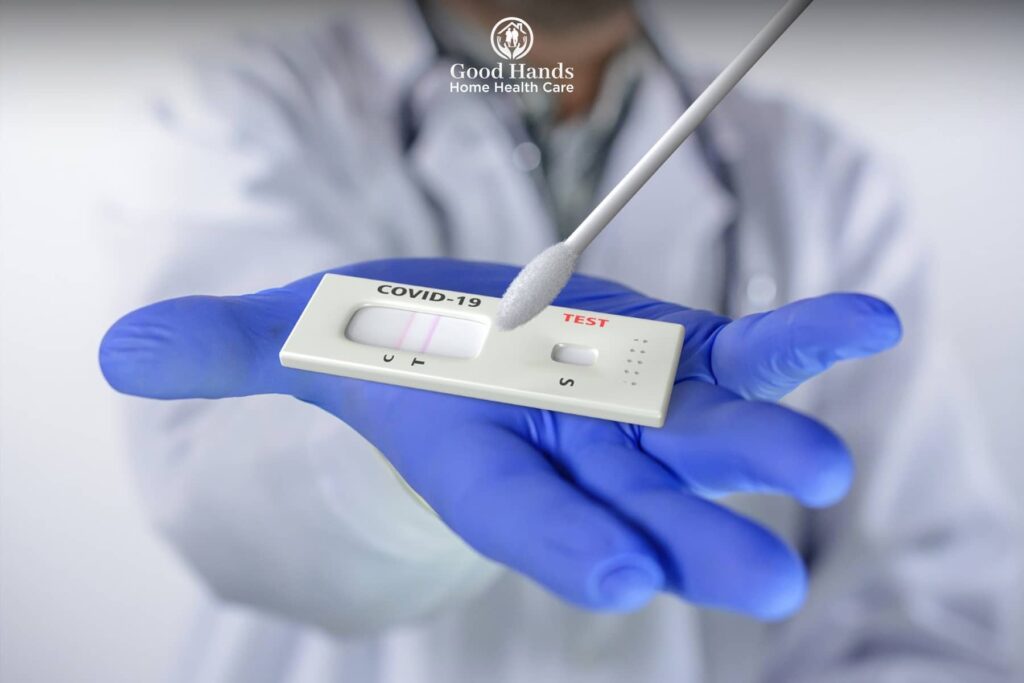
When contagious illnesses circulate throughout communities, families frequently grapple with crucial decisions regarding protection for their susceptible loved ones. At Good Hands Home Health Care, we acknowledge these concerns and firmly believe that professional in-home assistance represents one of the most secure options during influenza and coronavirus periods. Home care safety becomes particularly crucial when community transmission escalates, allowing your family members to remain in familiar environments while receiving vital support.
The advantages of assistance extend well beyond comfort—they directly enhance wellness outcomes. When elderly individuals and those with compromised immunity can avoid bustling medical facilities and crowded public spaces, their exposure risk diminishes significantly. Our committed professionals implement comprehensive virus protection for seniors through tailored protocols that adapt to each season’s distinctive challenges. With strategic planning and specialized support, staying at home emerges as not merely the most comfortable setting for assistance but frequently the safest alternative as well.
Why Seniors Are at Higher Risk
The natural aging process impacts immune function in profound ways. As individuals advance in years, their defense mechanisms experience a progressive decline in both efficiency and response capability. This age-related immune deterioration renders elderly people especially vulnerable during infectious outbreaks. Their systems generate fewer protective antibodies when confronted with pathogens, and their inflammatory responses—essential for fighting infections—become increasingly sluggish. For numerous seniors, this immune support in elderly care challenge means routine illnesses like influenza can swiftly develop into serious, potentially life-threatening complications.
Beyond physiological factors, older adults typically face heightened exposure risks through their ongoing medical requirements. Many seniors manage multiple chronic conditions necessitating frequent appointments, placing them in high-risk environments more regularly. Communal living arrangements in residential facilities can further increase transmission possibilities throughout outbreak intervals. The combination of weakened immune defenses and potential exposure creates worrisome circumstances, making specialized flu prevention for elderly individuals absolutely essential. Good Hands Home Health Care recognizes these specific vulnerabilities and develops protective strategies directly addressing these challenges.
How Home Care Minimizes Exposure
Residential assistance establishes a controlled environment that substantially reduces contact with potential infection sources. Unlike institutional settings where multiple personnel interact with numerous residents, Good Hands Home Health Care assigns dedicated professionals to work with individual clients, dramatically limiting the range of different contacts. This personalized approach represents one of the most effective safe home care practices available during elevated transmission periods.
Key Exposure Reduction Strategies:
- One-on-one caregiver relationships minimize the network of potential contacts.
- Elimination of communal spaces that facilitate virus transmission in facilities.
- Thorough screening of all caregivers prior to each client visit.
- Remote family connection options to maintain social bonds securely.
- Comprehensive caregiver infection control training specific to residential settings.
- Personalized shopping and errand services to eliminate public excursions.
The benefits extend beyond physical wellness considerations. Receiving assistance in familiar surroundings helps maintain psychological well-being throughout stressful pandemic intervals. When seniors feel secure in their environment, they experience diminished anxiety levels—an important element in sustaining immune function. We emphasize this holistic approach, recognizing that COVID senior care must address both physical protection and emotional necessities. Our professionals become trusted partners in navigating these challenging seasons while preserving quality of life.
Best Practices for Infection Control
Effective infection prevention in residential assistance contexts requires systematic approaches customized to each dwelling’s unique configuration and client requirements. Good Hands Home Health Care has established thorough protocols based on public guidance and clinical best practices. Our methodology begins with comprehensive staff education about transmission vectors specific to respiratory illnesses like influenza and COVID-19, highlighting how proper technique enhances every safety measure’s effectiveness.
Infection Prevention Protocol Comparison:
| Standard Practice | Enhanced Seasonal Protocol | Outbreak Protocol |
|---|---|---|
| Regular handwashing | Increased handwashing frequency | Full PPE implementation |
| Basic symptom screening | Daily temperature checks | Testing before visits |
| Standard cleaning | Enhanced surface disinfection | Comprehensive disinfection |
| General hygiene practices | Respiratory etiquette training | Temporary visitor limitations |
| Routine supply inventory | Expanded emergency supplies | Extended supply reserves |
Implementing these protocols demands both technical expertise and compassionate application. Our professionals understand that caregiver infection control measures must balance with quality of life considerations. While meticulous in their safety practices, they maintain the warm, personal connections that make in-home assistance so valuable. We offer ongoing guidance to both clients and families, helping everyone understand how these measures protect vulnerable individuals without creating unnecessary isolation. This balanced approach ensures protection remains thorough while preserving the dignity and comfort that defines quality assistance.
Staying Prepared Year-Round
Seasonal illness preparation extends beyond reactive measures during outbreaks. Good Hands Home Health Care champions establishing year-round readiness systems that can rapidly intensify during peak transmission intervals. Proper planning guarantees continuity of assistance regardless of community conditions, allowing families to feel confident about their loved ones’ home care safety through every season.
Essential Preparedness Elements:
- Updated emergency contact information for all medical providers.
- Medication inventory management with minimized refill disruptions.
- Advance supply stockpiling of essential items and PPE.
- Backup caregiver identification and cross-training.
- Telehealth coordination for routine medical monitoring.
- Nutrition planning with shelf-stable emergency alternatives.
- Technology setup for maintaining family connections during isolation periods.
These preparedness measures build resilience in your assistance plan, ensuring quality support continues regardless of community transmission levels. The focus on immune support in elderly care remains consistent year-round through balanced nutrition, hydration, activity, and stress management. Our virus protection for seniors strategies adapt to current authority recommendations. Implementing effective flu prevention for elderly residents and COVID senior care protocols, alongside our commitment to safe home care practices, provides families peace of mind throughout seasonal challenges. Our team develops these comprehensive plans with families and refines them as requirements evolve. Contact us for a personalized support.