



Blog
Caring for Seniors with Dementia: Tips and Best Practices
Contractor Good Hands Home Health Care, we recognize that providing support for individuals experiencing memory challenges demands specialized expertise and heartfelt approaches. This comprehensive guide presents actionable strategies for families navigating the distinctive requirements of providing memory care at home. Our specialized team has assembled these research-backed recommendations to establish a nurturing environment for your cherished family member while addressing the unique aspects of dementia support.
Understanding Dementia and Its Challenges
Dementia represents not a single illness but rather a collection of symptoms characterized by gradual cognitive deterioration that hampers everyday functioning. This condition influences memory retention, thought processes, spatial awareness, comprehension abilities, and decision-making skills. For families engaged in dementia home care, acknowledging these transformations facilitates the development of suitable support techniques that progress alongside your loved one’s evolving requirements while preserving their self-respect throughout this journey.
Common Types of Dementia
Alzheimer’s disease constitutes 60-80% of dementia instances, establishing it as the predominant form. As any Alzheimer’s caregiver quickly discovers, this condition involves specific protein abnormalities within brain tissues. Additional variations include vascular dementia stemming from diminished blood circulation, Lewy body dementia characterized by distinctive protein accumulations, and frontotemporal dementia affecting personality traits and behavioral patterns. Good Hands Home Health Care delivers specialized assistance for all these diverse manifestations.
How Dementia Impacts Daily Life
Dementia progressively influences numerous aspects of functioning, generating mounting challenges for both seniors and their family networks. Beyond memory deterioration, individuals may encounter difficulties with previously routine tasks such as meal preparation or medication management. Disorientation regarding time and location frequently results in confusion, while personality alterations might manifest as suspicion, agitation, or withdrawal from previously treasured activities.
Common Daily Challenges:
- Complications with personal hygiene routines.
- Difficulties handling meal preparation and nutritional needs.
- Obstacles managing financial matters or household responsibilities.
- Heightened safety concerns from wandering behaviors or impaired judgment.
- Communication barriers leading to misunderstandings.
Learning how to care for someone with dementia at home necessitates patience and adaptability. Families benefit tremendously from professional guidance to help modify routines and expectations while maintaining their loved one’s autonomy whenever feasible. Concentrating on preserved abilities rather than deficits helps sustain dignity and life quality throughout symptom progression.
Practical Tips for Dementia Care at Home
Establishing an effective environment involves thoughtful modification of living spaces, communication methods, and daily schedules. Specialists recommend implementing gradual adjustments that provide consistent structure while minimizing confusion. These practical approaches help balance safety considerations with independence, enabling your loved one to participate in daily activities within their capabilities while alleviating stress through simplified routines.
Creating a Safe and Comfortable Environment
Understanding how to make home safe for dementia patients begins with eliminating potential hazards such as area rugs, excessive furniture, and dangerous implements. Install support rails in bathrooms, ensure proper illumination, and utilize visual indicators like color-coding or cabinet labels. Maintain familiar surroundings and consistent placement of items to minimize disorientation. Temperature regulation, noise reduction, and accessible seating areas further enhance living conditions for seniors experiencing memory challenges.
Communication Strategies That Work
Effective dialogue forms the cornerstone of quality support. Approach from the front, establish eye contact, and communicate clearly using straightforward, concise sentences. Instead of correcting misstatements, guide conversations toward positive subjects. Monitor your nonverbal cues and facial expressions, as these elements become increasingly significant as verbal capabilities decline. Always acknowledge the emotions underlying confused statements rather than challenging their perception of reality.
Managing Difficult Behaviors
Challenging behaviors typically originate from unaddressed needs, environmental factors, or communication barriers rather than deliberate defiance. When confronting agitation or resistance, attempt to identify potential triggers such as discomfort, hunger, overstimulation, or frustration. Responding with tranquil reassurance rather than confrontation helps defuse tense situations and strengthens your relationship with your loved one.
Effective Response Strategies:
- For wandering tendencies: Establish protected walking paths, install door alert systems, and schedule regular supervised physical activity.
- For sundowning symptoms: Uphold consistent daily patterns, increase daytime engagement, and minimize evening stimulation.
- For repetitive questioning: Provide brief written reminders and redirect attention to engaging pursuits.
- For aggressive behaviors: Investigate physical discomfort sources, simplify surroundings, and avoid power dynamics.
Contractor Good Hands Home Health Care equips their personnel to recognize behavioral changes as communication attempts. By transitioning from “behavior management” to “needs understanding,” families can respond more appropriately while honoring their loved one’s dignity. Remember that the individual isn’t being deliberately difficult—their perception of reality has fundamentally transformed due to neurological changes.
Supporting Emotional and Social Needs
The emotional wellbeing of seniors with memory impairments demands particular attention as cognitive functions diminish. Experts emphasize that meaningful human connection remains vital throughout all phases of memory decline. Engaging with beloved elements from the past—whether musical selections, photographic memories, or simple activities—can inspire joy and combat isolation. Creating opportunities for purposeful contribution, however modest, nurtures emotional health and self-esteem.
Encouraging Engagement and Activities
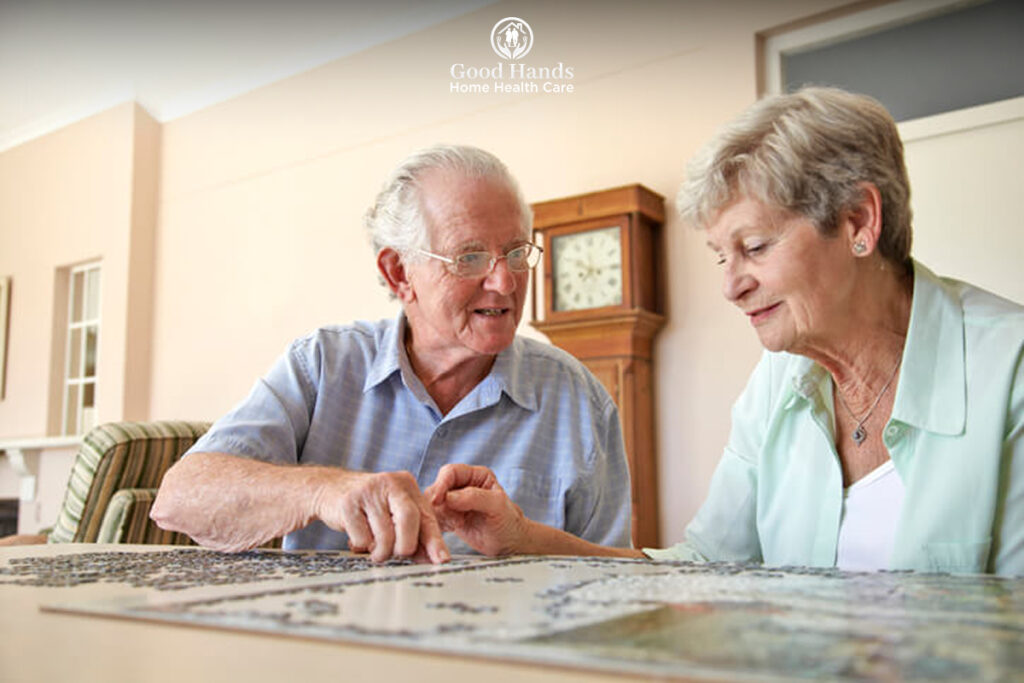
Adapting activities to current capabilities rather than previous abilities helps prevent frustration while providing cognitive stimulation. Consider memory collections with familiar objects, simple puzzles, or sorting exercises that offer success experiences. Music therapy frequently reaches individuals even in advanced stages, while gentle seated exercises maintain physical functioning. Experienced professionals can recommend personalized activity plans that evolve alongside changing cognitive abilities.
Providing Compassionate Emotional Support
Caring for seniors with dementia requires extraordinary emotional resilience. Practice validation techniques by acknowledging feelings without correcting misconceptions. Rather than disputing reality, enter their emotional experience with genuine empathy. Utilize touch, facial expressions, and vocal tone to convey caring when words become insufficient. Remember to celebrate minor achievements and discover moments of connection through shared laughter, music, or simply sitting together in comfortable silence.
When to Seek Professional Help
While many families strive to provide independent support, recognizing when additional assistance becomes necessary ensures optimal quality of life for both the senior and their family members. Professional memory care at home can complement family efforts, delivering specialized expertise and preventing exhaustion. Good Hands Home Health Care offers adaptable solutions that evolve as requirements change.
Signs Professional Support May Be Needed:
|
Professional assistance providers understand that seeking help represents not failure but rather a thoughtful decision to ensure optimal support. Dedicated professionals receive specialized training in memory techniques that enhance family efforts. By collaborating with experts, families can prioritize quality interactions while trained personnel manage more challenging aspects, creating a sustainable long-term approach.
Final Thoughts: Compassionate Care Makes a Difference
The journey of supporting individuals with memory impairments presents both significant challenges and unexpected moments of connection. At Good Hands Home Health Care, we believe that knowledgeable, patient assistance dramatically enhances quality of life for those experiencing cognitive decline. By implementing these strategies while remaining adaptable and seeking support when necessary, families can navigate this journey with greater confidence and reduced stress, ensuring dignity and comfort for their loved ones.