




How Our Qualified Aides Enhance Your Quality of Life
Our qualified aides play a vital role in enhancing the daily lives of those they assist by providing personalized, thoughtful care. They are trained to offer physical support, as well as emotional companionship, to ensure each client’s needs are met in a comprehensive and respectful manner. With a focus on enhancing independence, our aides provide assistance that fosters comfort, dignity, and well-being.
One of the main ways our aides improve quality of life is by supporting clients with essential tasks that may become difficult as they age. Whether it’s bathing, dressing, or managing medications, our aides ensure that these daily activities are carried out with ease and safety, allowing individuals to focus on enjoying their day rather than worrying about their limitations. This support can greatly reduce stress and enhance a sense of autonomy.
Additionally, our aides offer mobility assistance, which helps prevent falls and ensures that individuals can move around their homes safely. Whether it’s helping someone get from their bed to a chair or providing walking assistance, mobility support helps clients maintain their independence while minimizing the risk of injury. This safety-oriented approach provides peace of mind for both clients and their families.
Finally, our qualified aides are trained to offer emotional support and companionship. Loneliness can have a significant impact on overall well-being, and our aides are there not only to provide physical care but to engage in meaningful conversations, assist with hobbies, or simply be a friendly presence. This holistic approach to care fosters a positive atmosphere and helps individuals feel connected, valued, and supported.


Why Choose Our Qualified Aides for Personal Care
Choosing the right personal care provider is essential for your loved one’s comfort, safety, and happiness. Our qualified aides are committed to delivering exceptional care tailored to each client’s unique needs. Here are key reasons why our aides stand out:
- Personalized Care: We create customized care plans that address specific health concerns, daily activities, and personal preferences, ensuring effective and meaningful support.
- Experienced and Compassionate Caregivers: Our caregivers are highly trained and genuinely compassionate, providing not just physical care but also emotional support, enhancing overall well-being.
- Flexible Scheduling: We offer flexible scheduling to meet changing needs, whether you require part-time, full-time, or overnight care.
- 24/7 Availability: Our aides are available around-the-clock, providing peace of mind to families with consistent care whenever it’s needed.
- Comprehensive Services: From daily living assistance to specialized care for conditions like dementia or post-surgery recovery, our aides handle a variety of needs, including mobility support, medication reminders, and light housekeeping.
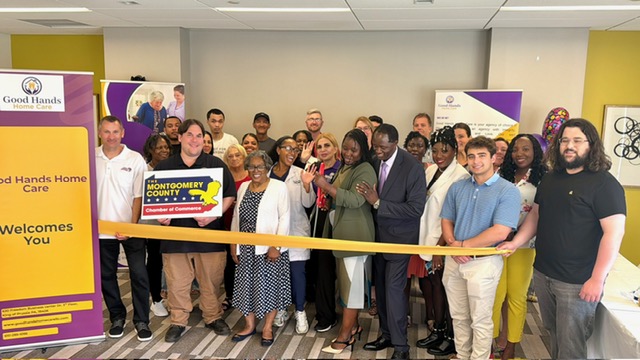
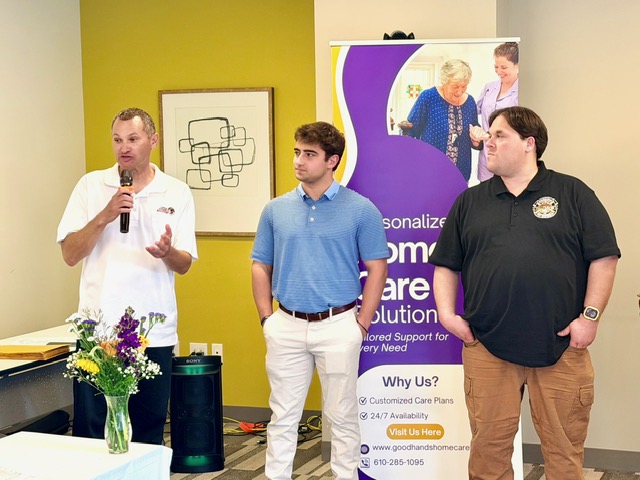
Meet Our Team
Get to know the dedicated people behind Good Hands Home Care. Our caregivers and staff bring compassion, professionalism, and genuine respect to everyone we serve.






Frequently Asked Questions (FAQ)
What types of personal care services do you offer?
We offer a wide range of personal care services to assist individuals with daily activities and improve their quality of life. Our services include assistance with personal hygiene (such as bathing, grooming, and dressing), mobility support (helping with movement around the home), medication reminders, meal preparation, light housekeeping, companionship, and more. We also provide specialized care for individuals with specific health conditions, including chronic illness management, dementia care, and post-surgery recovery.
How do I know if personal home care is right for my loved one?
Personal home care is ideal for individuals who need assistance with daily activities but prefer to remain in the comfort of their own home. If your loved one is having difficulty with tasks such as bathing, dressing, eating, or moving around the house, they may benefit from our services. We also support individuals who are recovering from surgery or have chronic conditions that require ongoing attention.
Are your caregivers trained and qualified?
Yes, all of our caregivers are highly trained professionals. They undergo rigorous background checks and receive ongoing education to ensure they are equipped to provide the best possible care. Our caregivers are trained in various aspects of personal care, including mobility assistance, personal hygiene, medication management, and companionship.
How do I arrange personal care services?
Arranging personal care services is simple. You can contact us to schedule a free consultation where we’ll discuss your loved one’s needs, assess the level of care required, and create a personalized care plan. Once the care plan is in place, we’ll match you with a qualified caregiver who is best suited to meet those needs.
Schedule Your Free Care Consultation
Fill out the form below, and one of our coordinators will reach out to you shortly.
A qualified aide is a screened, trained home care worker assigned to clients whose situation calls for a higher level of daily support than standard assistance: chronic illness, recovery after surgery, cognitive decline, or a high fall risk. Good Hands Home Care LLC provides qualified aides across Philadelphia and 13 surrounding Pennsylvania counties, in the client’s own home and on a schedule set by the care plan.
What Is a Qualified Home Care Aide?
A qualified aide is a non-medical caregiver who has completed the screening, training, and supervision requirements set by the agency and holds the certifications needed for the client’s specific situation.
The work covers hands-on daily support: hygiene, mobility and transfers, meal preparation, medication reminders, light housekeeping, and companionship. Clinical procedures such as wound care, injections, or medication administration fall outside the role and require a nursing license.
What separates a qualified aide from general assistance is the client profile rather than the task list. Aides at this level are assigned where a condition, a recent hospital discharge, or a safety risk makes the margin for error smaller.
Qualified Aide vs. Home Health Aide vs. Skilled Nurse
| Role | Type of Care | Typical Tasks | Requires Doctor’s Order? |
|---|---|---|---|
| Qualified Aide | Non-medical, higher-acuity daily support | Hygiene, transfers, supervision, meals, medication reminders, condition-specific routines | No |
| Home Health Aide | Non-medical support with basic health monitoring | Personal care plus vital sign checks under clinical supervision | Yes |
| Skilled Nurse | Clinical treatment | Wound care, injections, medication administration, clinical assessment | Yes |
Families often arrange a qualified aide when the level of help needed has grown, but the situation still does not call for clinical treatment or a move to a facility.
How Our Aides Are Screened and Trained
Every caregiver at Good Hands Home Care completes a screening process before being assigned to any client, and that process is the practical difference between an agency aide and a privately hired caregiver.
- Criminal background investigation: Completed before the caregiver is placed with a client.
- Psychological evaluation: Part of the standard screening for every caregiver.
- Reference verification: Prior work history is checked directly.
- Role-specific training: Safe transfers and mobility support, personal hygiene assistance, communication, and home safety.
- Ongoing education: Continued training so aides stay current with care practices.
- Agency supervision: Care is monitored after placement, and the plan is adjusted as the client’s condition changes.
Aides working with clients who have chronic illnesses, injuries, or disabilities hold the certifications and training those situations require. Assignment is based on matching that background to the care plan.
When a Qualified Aide Is the Right Level of Care
A qualified aide is assigned when daily support has to account for a medical condition, a safety risk, or a recovery process, rather than routine help alone.
Recovery after surgery or hospitalization
The weeks following discharge carry the highest risk of readmission. An aide maintains the daily routine, supports safe movement within activity restrictions, prepares meals, and reports changes to the family and agency.
Chronic conditions
Clients managing long-term illness need consistency in routine, meals, hydration, and medication timing. An aide who works with the same client repeatedly recognizes deviations from the baseline early.
Dementia and cognitive decline
Care for cognitive decline depends on structure and familiarity. A consistent aide, predictable routines, and calm redirection reduce agitation and keep the client oriented through the day.
High fall risk and limited mobility
Transfers between bed, chair, and bathroom are where most in-home injuries occur. Trained assistance with transfers and walking protects both the client and the family member who would otherwise attempt them alone.
Around-the-clock supervision
Some households need coverage at night or continuously through the day. Scheduling covers part-time, full-time, overnight, and 24/7 arrangements depending on what the care plan calls for.
What Qualified Aides Provide at Home
Support is organized around the client’s care plan and covers both hands-on personal assistance and the household tasks that keep the day running.
- Personal hygiene: Bathing, grooming, dressing, and toileting, carried out with attention to dignity and privacy.
- Mobility and transfers: Safe help with walking and with moving between bed, chair, and wheelchair.
- Medication reminders: Prompting doses on schedule and organizing medications for the day.
- Meal preparation: Meals planned around dietary requirements and eating patterns.
- Light housekeeping: Keeping the living space clean, orderly, and free of fall hazards.
- Companionship and supervision: Conversation, shared activities, and a consistent presence throughout the shift.
The full breakdown of hands-on daily assistance is covered under our personal care services. Households that need housekeeping alongside personal support can combine both under one plan.
Agency Aide or a Privately Hired Caregiver
Hiring an aide privately places the entire responsibility for screening, supervision, scheduling, and replacement on the family.
An agency verifies the caregiver’s background before placement, builds a written care plan, supervises the work, and arranges coverage when the assigned aide is unavailable. A privately hired caregiver comes without any of those layers.
Continuity is the other difference. When an aide is sick or leaves, an agency assigns a replacement from a screened pool, so care does not stop while the family searches for someone new.
How to Arrange a Qualified Aide in Philadelphia
Service starts with a free consultation and a written care plan, after which an aide is matched to the client’s condition and preferences.
Step 1 – Free consultation
Contact Good Hands Home Care by phone or through the online form. A coordinator arranges a no-obligation conversation about the client’s condition, daily routine, and required schedule.
Step 2 – Level of care assessment
The coordinator determines which level of support the situation calls for and which certifications or experience the aide needs to have.
Step 3 – Care plan
A written plan specifies services, schedule, condition-specific routines, and caregiver preferences. The client and family review it before care begins.
Step 4 – Aide assignment
A screened, background-checked aide with the relevant training is matched to the plan. The same aide is kept for ongoing visits so that a working relationship develops.
Step 5 – Ongoing monitoring
The agency stays in contact with the client and family, reviews the plan, and adjusts the schedule or level of support as the condition changes.
Areas We Serve
Good Hands Home Care LLC assigns qualified aides across Philadelphia and 13 surrounding counties in Pennsylvania. Care is delivered in the client’s own home on the schedule set out in the care plan.
Philadelphia County
- Chestnut Hill, PA
- Germantown, PA
- Manayunk, PA
Montgomery County
- Ambler, PA
- Ardmore, PA
- Blue Bell, PA
- Bridgeport, PA
- Collegeville, PA
- Conshohocken, PA
- Eagleville, PA
- East Norriton, PA
- Flourtown, PA
- Fort Washington, PA
- Gladwyne, PA
- Glenside, PA
- Horsham, PA
- Jenkintown, PA
- King of Prussia, PA
- Lafayette Hill, PA
- Narberth, PA
- Norristown, PA
- Oreland, PA
- Plymouth Meeting, PA
- Royersford, PA
- West Norriton, PA
- Willow Grove, PA
- Wynnewood, PA
Delaware County
- Aldan, PA
- Broomall, PA
- Bryn Mawr, PA
- Clifton Heights, PA
- Drexel Hill, PA
- Folcroft, PA
- Haverford, PA
- Havertown, PA
- Lansdowne, PA
- Media, PA
- Newtown Square, PA
- Radnor, PA
- Ridley Park, PA
- St Davids, PA
- Swarthmore, PA
- Villanova, PA
- Wayne, PA
- Yeadon, PA
Chester County
- Berwyn, PA
- Chesterbrook, PA
- Colonial Way, PA
- Devault, PA
- Devon, PA
- Easttown Township, PA
- Exton, PA
- Malvern, PA
- Paoli, PA
- Phoenixville, PA
- Spring City, PA
- Tredyffrin Township, PA
- West Chester, PA
- Westtown Township, PA
- Whitehorse Farms, PA
Bucks County
- Chalfont, PA
- Warminster, PA
Berks County
- Reading, PA
- West Reading, PA
- Wyomissing, PA
Lancaster County
- Ephrata, PA
- Lancaster, PA
- Lititz, PA
Lebanon County
- Annville, PA
- Lebanon, PA
- Palmyra, PA
Additional Counties We Serve
- Adams County, PA
- Carbon County, PA
- Lehigh County, PA
- Northampton County, PA
- Schuylkill County, PA
- York County, PA
Don’t see your town on the list? Call 610-285-1095 to check coverage in neighboring communities within our service counties.