

Blog
Nutrition for Seniors: Meal Planning for Common Health Conditions
Optimal eating patterns form the foundation for maintaining vitality and independence in seniors. At Good Hands Home Health Care, we understand that aging brings unique dietary challenges, especially when managing conditions like diabetes, heart disease, and osteoporosis. Our approach to senior nutrition combines scientific evidence with practical solutions that enhance quality of life. This guide offers families and caregivers actionable strategies for creating nutritious, appealing meals that address specific needs while honoring personal preferences and making mealtimes enjoyable again.
The Basics of Senior Nutrition
Changing Needs: Calories vs Nutrients
As our metabolism naturally slows with age, seniors need fewer calories but a higher concentration of nutrients in their food. Experts advocate emphasizing nutrient-dense selections rather than serving sizes. This emphasis-on-excellence strategy guarantees elderly individuals obtain vital vitamins and minerals without unwanted weight fluctuations.
Key Components: The Importance of Protein, Fiber, and Hydration
Protein is vital for maintaining muscle and fighting age-related muscle loss. Fiber is also key for digestion and can help manage heart disease and blood sugar issues. Numerous older adults experience diminished thirst perception, making deliberate fluid consumption efforts critical for avoiding complications like urinary system infections and medication-related interactions.
Essential Nutrition Priorities for Aging Adults:
- 1.0-1.2 grams of protein per kilogram of body weight daily.
- 25-30 grams of fiber from diverse origins including vegetables, fruits, and unprocessed grains.
- 7-8 cups of fluids daily, predominantly water (modified for medical circumstances).
Specialists suggest distributing protein consumption throughout daily meals rather than concentrating it in single sittings, which enhances utilization and helps maintain energy reserves during everyday activities. A comprehensive elderly nutrition guide should underscore this equilibrium approach to address evolving metabolic requirements.
Common Challenges: Decreased Appetite, Dental Issues, and Medication Effects
With age, taste and smell can diminish, while dental problems or trouble swallowing can make eating difficult. Furthermore, numerous prescriptions alter nutrient absorption or induce side effects such as oral dryness or metallic taste perceptions. Good Hands Home Health Care professionals tackle these obstacles through consistency adaptations and flavor enhancements that render eating pleasurable again.
Targeted Meal Planning for Health Conditions
For Diabetes: Controlling Blood Sugar with Smart Choices
Managing diabetes through senior meal planning diabetes necessitates equalizing carbohydrate intake throughout daily meals and highlighting low-glycemic selections such as non-starchy vegetables and whole cereals. Healthcare authorities recommend portion-controlled diabetic meals for seniors with protein accompanying every eating occasion to decelerate glucose absorption and minimize blood sugar elevations, supplemented by consistent monitoring to identify individual food reactions.
For Heart Disease: Reducing Sodium and Boosting Heart Health
Heart healthy recipes elderly concentrate on decreasing sodium through unprocessed ingredients and flavor-enhancing alternatives such as herbs, citrus extracts, and acid-based condiments. Professionals advocate incorporating omega-3 abundant selections (salmon, walnuts) and potassium sources (bananas, potatoes) while adapting Mediterranean and DASH dietary principles for individualized cardiovascular management through thoughtful preparation methodologies. Effective elderly meal planning encompasses these cardiac-supportive strategies to enhance long-term outcomes.
For Osteoporosis: Calcium and Vitamin D for Bone Strength
Preserving bone density demands strategic dietary preparation that combines calcium with vitamin D for maximum absorption. Research shows that spreading these nutrients throughout the day, instead of eating them all at once, significantly improves bone health.
Bone-Supporting Nutrient Combinations:
| Nutrient | Daily Target | Top Food Sources | Absorption Tips |
|---|---|---|---|
| Calcium | 1,200-1,500mg | Low-fat dairy, fortified plant milks, leafy greens | Consume with vitamin D, avoid with iron supplements |
| Vitamin D | 800-1,000 IU | Fatty fish, egg yolks, fortified foods, sunshine | Take with meals containing healthy fats |
| Magnesium | 320-420mg | Nuts, seeds, whole grains, dark chocolate | Pair with calcium-rich foods |
Specialists frequently recommend straightforward options like calcium-fortified smoothies with added ground flaxseed and a boiled egg for a complete bone-supporting breakfast, demonstrating that senior nutrition can be both flavorful and therapeutic.
Practical Tips and Meal Ideas
Portion Guidelines: Visual Estimation Made Simple
The plate methodology offers an intuitive approach to senior portion control: half vegetables, quarter lean protein, and quarter whole grains, readily adjusted for specific conditions. Good Hands Home Health Care caregivers teach hand-based measurements (palm for protein, fist for carbs) that simplify dietary organization without requiring measuring implements.
Easy and Adaptable Recipes
Successful elderly dietary requirements center on versatile foundation recipes that adapt to evolving needs and preferences. Caregiving professionals recommend sheet-pan dinners, slow-cooker creations, and make-ahead casseroles that can be divided and frozen. These approaches minimize cooking fatigue while allowing consistency modifications for seniors with swallowing difficulties through simple blending or chopping techniques.
Encouraging Healthy Eating: Creating Pleasant Mealtimes
Visual appeal significantly influences appetite, particularly for seniors with diminished taste perception. Elder care specialists emphasize colorful presentation, appropriate illumination, and minimizing distractions during meals. Ensuring straightforward access through adaptive utensils and pre-cut foods eliminates barriers to independent eating while preserving dignity during caregiver meal planning.
The Psychological Aspect of Eating
Turning Mealtimes into Social Events
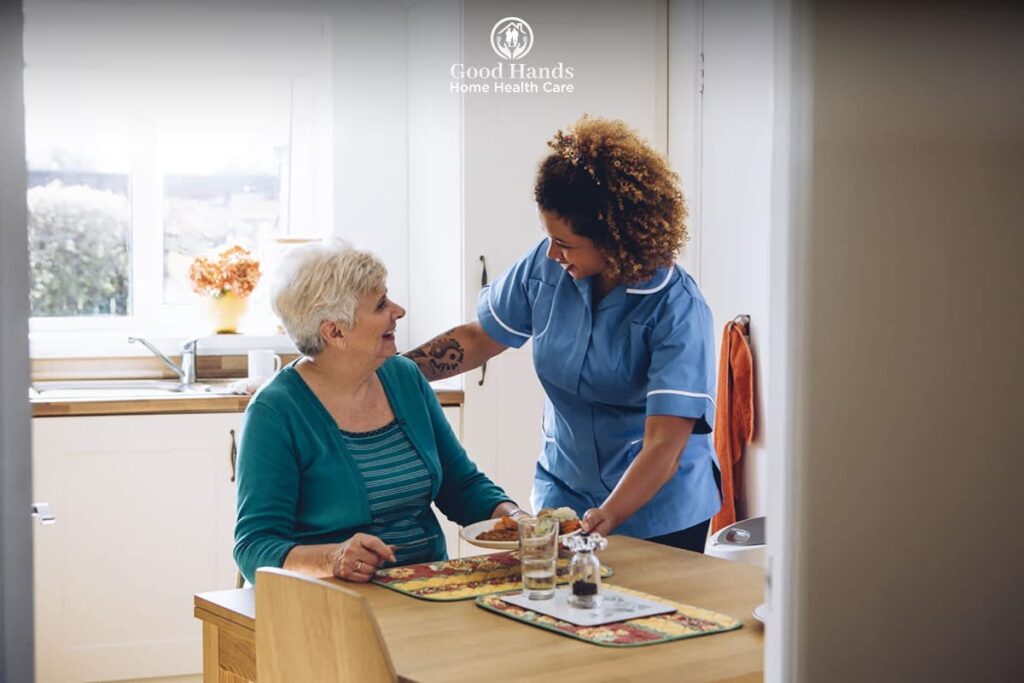
Sharing meals helps fight loneliness and encourages better eating habits. Professional caregivers arrange family-style dining when feasible and create comfortable, restaurant-like atmospheres at home. We also connect clients with community dining programs that combine sustenance with valuable socialization opportunities, acknowledging that senior wellness extends beyond food itself.
Respecting Preferences and Desires
Honoring lifelong food preferences and cultural traditions remains fundamental to successful diabetic meals for seniors. Imposing dietary changes often generates resistance, while thoughtful modifications of favorite dishes typically receive better acceptance and improve long-term adherence to necessary adjustments.
Effective Modification Strategies:
- Progressively reduce sodium, sugar, or fat in familiar recipes.
- Introduce healthier ingredients while maintaining familiar flavors.
- Preserve traditional cooking methods when possible while substituting better ingredients.
- Involve seniors in food decisions to maintain autonomy.
Good Hands Home Health Care specialists collaborate closely with families to document food preferences and create approaches that respect individuality while addressing requirements.
Patience and Support When Facing Eating Refusal
Persistent food refusal often indicates underlying issues like depression, medication side effects, or undiagnosed oral discomfort rather than simple obstinacy. Experienced caregivers recommend investigating root causes while offering nutrient-dense alternatives like smoothies or fortified soups. When refusal threatens wellbeing, we facilitate appropriate professional intervention through healthcare providers.
Shopping and Kitchen Organization for Senior-Friendly Meals
Smart Grocery Shopping Strategies
Effective heart healthy recipes elderly include shopping strategies organized around specific dietary restrictions like low-sodium or diabetic-friendly options. Professional care providers instruct caregivers in identifying budget-friendly nutritious staples, utilizing online grocery delivery services, and interpreting nutrition labels specifically for managing chronic conditions, making dietary arrangements more accessible.
Kitchen Setup for Success
Organizing kitchens with frequently used items at waist height reduces strain during food preparation. Eldercare specialists recommend essential adaptive tools like jar openers, ergonomic utensils, and electric can openers that compensate for arthritis or weakness. Safe food storage becomes especially critical for seniors taking medications that might impact food safety requirements.
Emergency Meal Solutions
Every senior residence should maintain nutritionally balanced shelf-stable options for days when cooking isn’t feasible. Good Hands Home Health Care helps establish emergency dietary plans featuring quick-assembly protein sources, wholesome frozen meals, and appropriate supplemental nourishment when regular food intake is compromised, ensuring continuity despite challenges.
Working with Professional Caregivers
When to Seek Professional Help
Dietary intervention becomes necessary when significant weight changes, healing difficulties, or declining energy levels persist despite improvements. Professional guidance helps navigate complex interactions between multiple conditions and medication regimens that impact nutritional status. A caregiver meal planning approach should incorporate professional recommendations when specialized needs arise.
Key Nutrition Professionals:
- Registered Dietitians (RDs) – specifically trained in medical nutrition therapy.
- Certified Diabetes Educators – specialized in blood glucose management.
- Speech-Language Pathologists – for swallowing difficulties and texture modifications.
- Occupational Therapists – for adaptive eating techniques and equipment.
Professional care teams facilitate connections with appropriate specialists and integrate their recommendations into daily routines, ensuring consistent implementation of expert guidance.
Communicating Dietary Needs
Effective appointments require preparation, including food diaries, medication lists, and specific questions about symptom management through proper eating. Trained caregivers document professional recommendations, clarify confusing instructions, and develop practical implementation plans that translate clinical guidance into realistic daily patterns.
Good Hands Home Health Care: Your Partner in Care
Thoughtful dietary organization represents a powerful instrument for managing chronic conditions and enhancing seniors’ quality of life. At Good Hands Home Health Care, we combine evidence-based understanding with empathy for individual preferences, creating meals that truly nourish. These strategies help transform senior wellness from a medical necessity into a source of enjoyment. Our team stands ready to develop customized approaches that honor individual needs while supporting optimal function and independence.