



Blog
Creating a Dementia-Friendly Home Environment
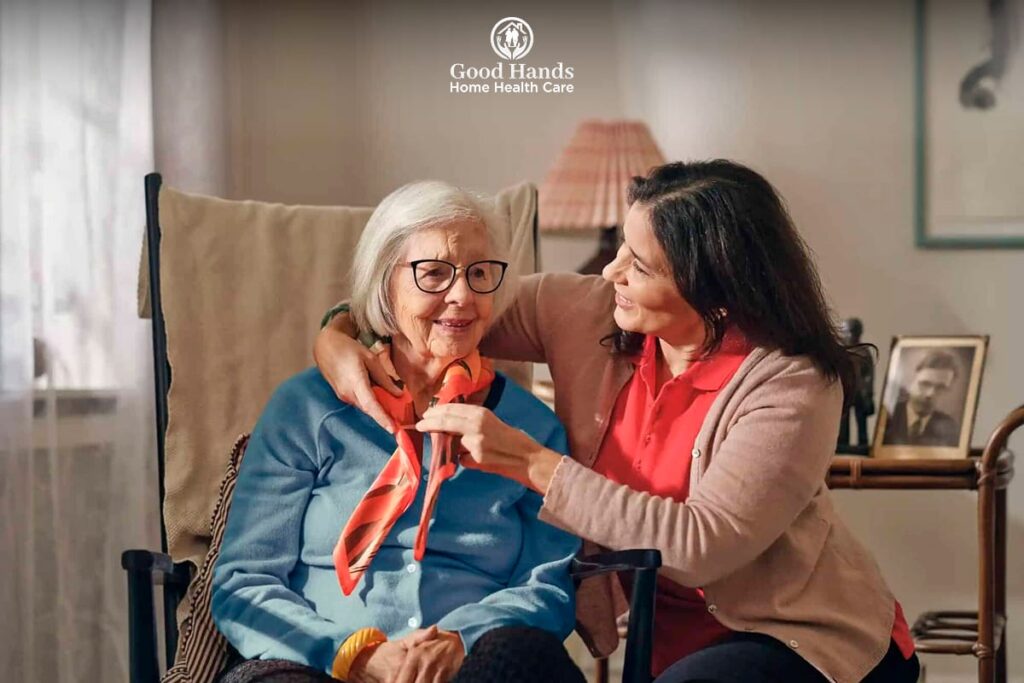
Converting living spaces into supportive environments for individuals experiencing dementia dramatically enhances safety, nurtures independence, and improves overall quality of life. At Good Hands Home Health Care, we understand how strategic environmental modifications can substantially reduce confusion, prevent potential accidents, and alleviate caregiver stress while delivering personalized dementia home care services that respect each individual’s unique circumstances and preferences.
General Principles of Dementia-Friendly Design
Cultivating an environment that supports individuals with dementia requires thoughtful planning and specific architectural considerations. At Good Hands Home Health Care, we’ve witnessed firsthand how appropriately designed living spaces profoundly impact quality of life, autonomy, and protection for those navigating cognitive challenges. A strategically arranged environment significantly reduces confusion, minimizes anxiety, and preserves dignity while enabling individuals to function at their highest potential within their capabilities.
Key Design Elements to Consider:
- Streamlined simplicity in layout and organizational systems.
- Purposeful safety adaptations throughout the residence.
- Natural orientation markers and navigation assistance.
- Optimized illumination and intentional contrast implementation.
Incorporating these fundamentals doesn’t necessarily involve extensive reconstruction. Rather, it encompasses making deliberate adjustments customized to the individual’s particular needs and cognitive capabilities. Professional dementia care services specialists excel in providing home care services for dementia patients that include comprehensive environmental evaluations to identify tailored solutions supporting both the individual and their caregivers.
Room-by-Room Guide
Living Room:
The living room requires strategic furniture placement to enable smooth movement while establishing comfortable seating areas. Select sturdy, supportive furnishings with machine-washable fabrics and smooth corners. Streamline electronics with universal control devices and establish a designated reminiscence nook with familiar objects to provide reassurance and stimulation when providing home care for dementia patients.
Kitchen:
Equip the kitchen with self-shutoff appliances and protective stove knob covers to mitigate risks while arranging commonly used items at eye level with visible labeling. Offer pre-portioned food options and color-differentiated utensils for easier recognition. Ensure powerful, non-reflective lighting above work surfaces and maintain orderly countertops to promote independence in this particularly vulnerable area of dementia-friendly home environments.
Bedroom:
Craft the bedroom as a peaceful sanctuary with unchanging furniture configuration and minimal decorative elements. Situate the bed against a wall with optional protective railings and soft nightlights to prevent disorientation. Simplify wardrobe selections with coordinated ensembles and limit closet choices. Integrate meaningful photographs and cherished possessions to provide comfort, strengthening personal identity for recipients of home care services for dementia patients.
Bathroom:
Mount strategically positioned support rails, slip-resistant floor coverings, and shower seating to prevent falls in this high-risk zone. Install raised toilet fixtures with contrasting colors and lever-operated faucets for easier manipulation. Utilize shower curtains that permit caregiver visibility while maintaining dignity. Adjust water heater settings to prevent scalding and remove hazardous items when creating a safe home for dementia residents.
Hallways and Staircases:
Preserve spacious, clear pathways by eliminating furniture, electrical cords, and superfluous objects from corridors and stairways. Install motion-triggered lighting and uninterrupted handrails along both sides of staircases. Apply contrasting adhesive tape or paint to mark stair edges, establishing visual indicators that substantially decrease fall hazards when making a home dementia-friendly.
The Importance of Social and Mental Stimulation
When implementing dementia home modifications, address both physical security and psychological wellness. The optimal environment balances protective measures with opportunities for meaningful engagement and connection. Good Hands Home Health Care acknowledges that appropriate stimulation supports cognitive function maintenance and emotional wellbeing, ultimately enhancing life quality for those with dementia.
Essential Elements for Mental Wellbeing:
- Designated areas for beloved pastimes and activities.
- Multi-sensory spaces incorporating textures, sounds, and fragrances.
- Suitable technology for entertainment and communication channels.
- Zones for secure social interaction with family and visitors.
Integrating these components into residential design creates an atmosphere that not only accommodates physical limitations but also nurtures the complete individual. This approach assists in managing dementia symptoms at home while preserving dignity and encouraging continued life engagement and meaningful relationships.
Memory Support and Cognitive Aids
Visual Cues and Signage
Visual indicators function as essential navigation tools for individuals with dementia, offering environmental assistance when memory falters. Effective signage incorporates large, high-contrast lettering paired with relevant imagery to identify rooms, storage units, and drawers. Professional caregivers suggest customized visual systems that evolve alongside changing cognitive abilities while maintaining familiarity and consistency throughout the living environment and dementia care journey.
Types of Visual Aids and Their Applications:
| Aid Type | Best Location | Benefits |
|---|---|---|
| Door Signs with Pictures | Bathroom, Bedroom, Exit Doors | Prevents wandering, reduces confusion |
| Memory Boxes | Outside bedroom door | Reinforces personal identity, aids navigation |
| Calendar Boards | Central location (kitchen) | Orients to time, reduces anxiety |
| Routine Charts | Bathroom, Kitchen | Supports independence in daily tasks |
| Color Coding | Throughout home | Creates intuitive navigation systems |
When deploying visual aids, evaluate the individual’s visual capabilities, reading proficiency, and personal inclinations. The most successful cognitive decline home safety arrangements integrate naturally into the residential aesthetic while providing clear guidance without appearing institutional or juvenile.
Technology for Memory Support
Contemporary technological innovations deliver unprecedented assistance for individuals living with dementia at home. Straightforward, intuitive devices can enhance protection, deliver timely reminders, and facilitate communication without overwhelming the user. GPS tracking mechanisms and medical alert systems reassure caregivers while promoting independence for those in early to middle dementia stages.
Our specialists assist families in identifying and implementing appropriate technological solutions as part of our comprehensive dementia care services. We concentrate on tools addressing specific requirements while remaining user-accessible, recognizing that excessively complex systems can generate frustration rather than assistance for both care recipients and their families.
Professional Support and Implementation. Good Hands Home Health Care Dementia Services
Executing effective dementia-friendly modifications frequently benefits from expert guidance. Our specialized professionals conduct thorough environmental assessments to identify potential hazards and opportunities for improvement specific to your loved one’s cognitive abilities and challenges. We also deliver family education regarding aids for daily living dementia management and ongoing support for implementing adaptive changes.
Good Hands Home Health Care provides flexible caregiver support ranging from temporary relief to round-the-clock supervision for those with advanced dementia. Our holistic approach ensures both the physical surroundings and human assistance collaborate to establish optimal conditions for safety, dignity, and life quality for those experiencing cognitive challenges.
Good Hands Home Health Care: Your Partner in Care
Establishing a dementia-friendly home environment necessitates thoughtful planning, continuous assessment, and adaptability. Good Hands Home Health Care collaborates with families throughout this progression, delivering expertise, compassion, and practical solutions that evolve alongside changing requirements while honoring each individual’s dignity and preferences.